
- Home
- About
- Our Products
-
- Acoustic Enclosure Manufacturer
- Acoustic Enclosure
- Acoustic Enclosure for Machines
- Acoustic Enclosure for DG set
- Acoustic Enclosure for Power Plant
- Acoustic Enclosure for Turbine
- Acoustic Enclosure for Blower
- Acoustic Enclosure for Fin Press
- Acoustic Enclosure for Compressor
- Acoustic Enclosure for Chilller
- Acoustic Enclosure for Punch Press
- Automotive Noise Test Booth
- Noise Test Booth
- NVH Test Chamber
- Anechoic Chamber
- Audiometric Chammber
- Semi Anechoic Chamber
- Metallic Anechoic Wedges
- Mini/portable Anechoic Chamber
- Engine Test Cell Acoustic Treatment
- Room Acoustic Treatment
- work pods
-
- Sliding Folding Partition Manufacturer
- Acoustic Sliding Folding Partition
- Glass Sliding Folding Partition
- Vertical Fold Partition
- Semi Automatic Sliding Folding Partitions
- Acoustic Louver/Silencer Manufacturer
- Acoustic Louver For Chiller
- Acoustic Louver For Cooling Tower
- Industrial Fan Silencer
- Air Intake And Discharge Silencer
- Sand Trap Louver
- Sound Attenuator
-
- Projects
- Clients
- Contact us
Railway Noise Barrier for High-Speed Train Noise Control
The high rate of expansion of railway infrastructure has been an important enhancement to connectivity and economic development. Nevertheless, noise pollution, particularly in the residential, commercial, and institutional areas around railway lines, has also been augmented by the increased frequency of trains and the high-speed rail activities. Control of noise generated by rail is currently a major constraint to sustainable urban planning. That is where a Railway Noise Barrier is a significant factor, as it helps to decrease the undesirable sound and enhances the quality of the environment in the areas surrounding railway paths. The modern sound mitigation devices are not only developed in such a way that they meet the requirements of their environmental regulations, but also to promote the comfort and safety of the people. These systems will allow long-term noise control without interfering with rail operations, with sophisticated engineering and hard-wearing materials.
What Is a Railway Noise Barrier?
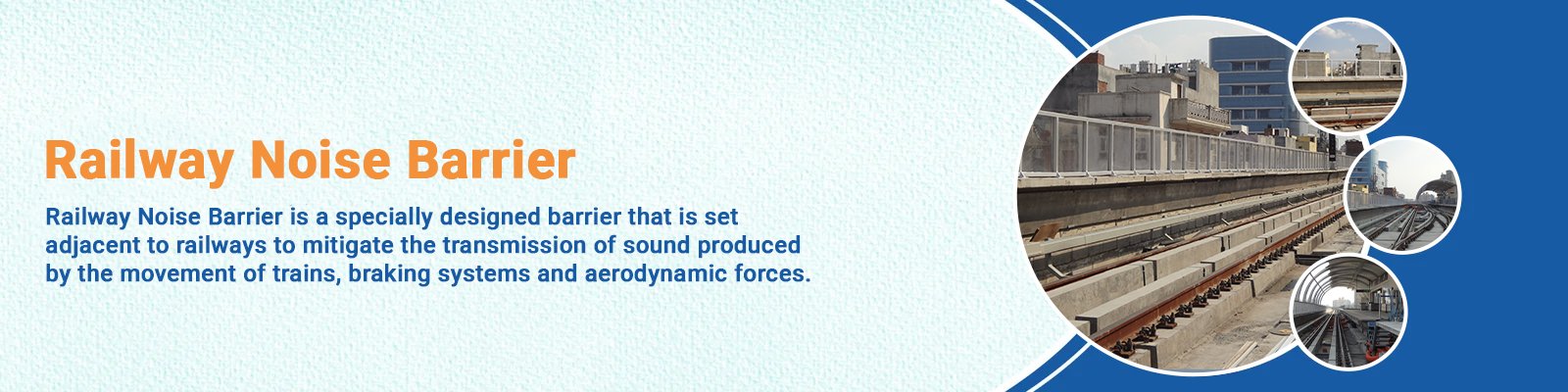
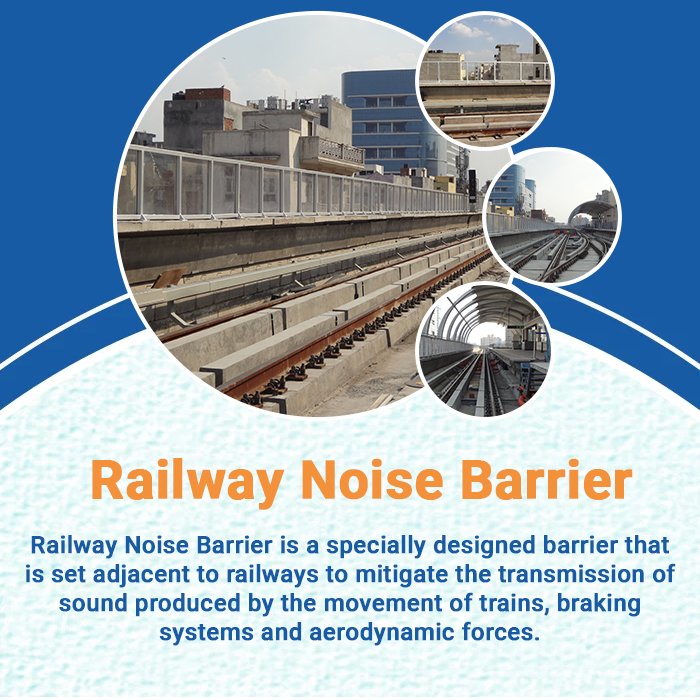
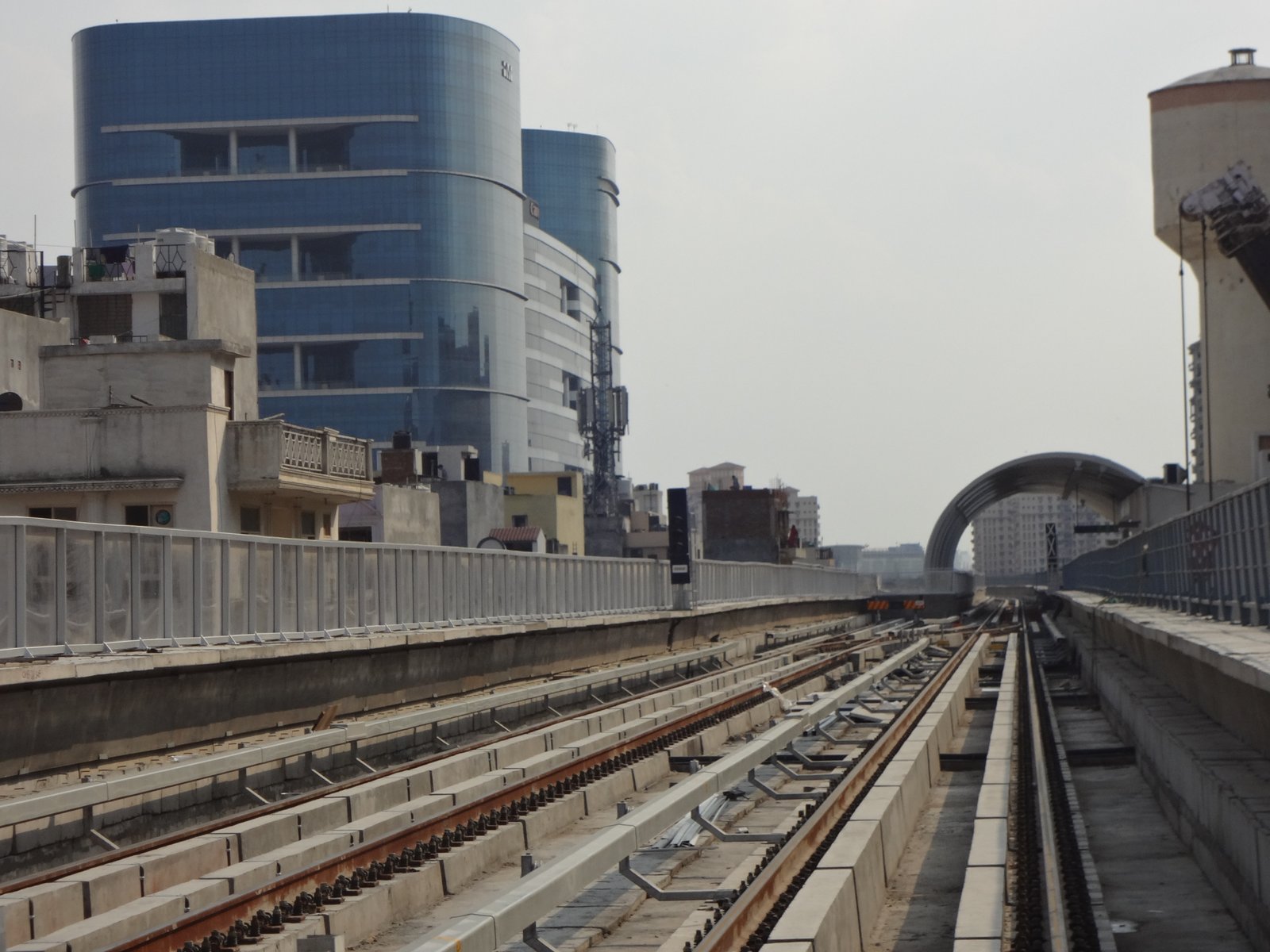
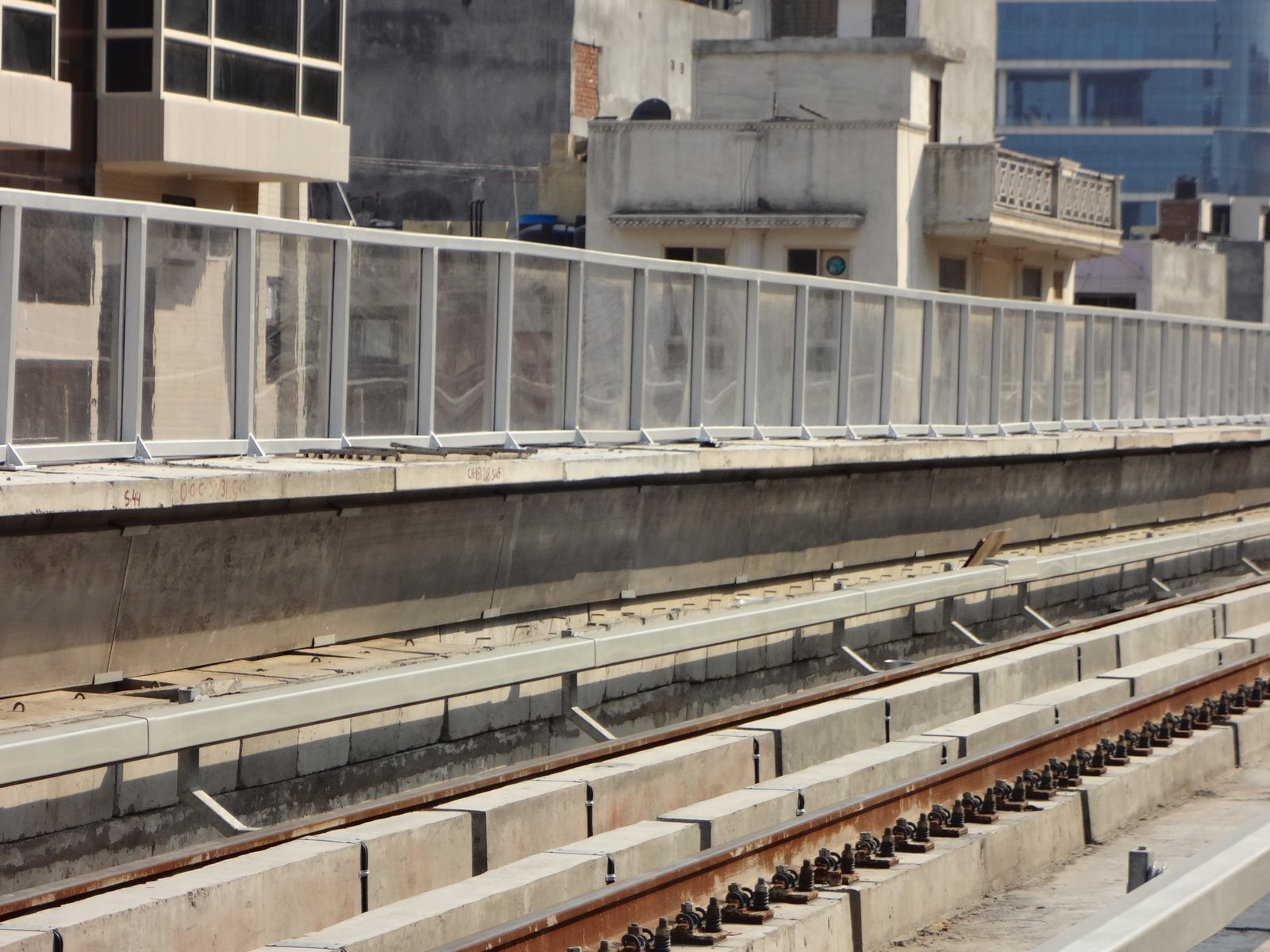
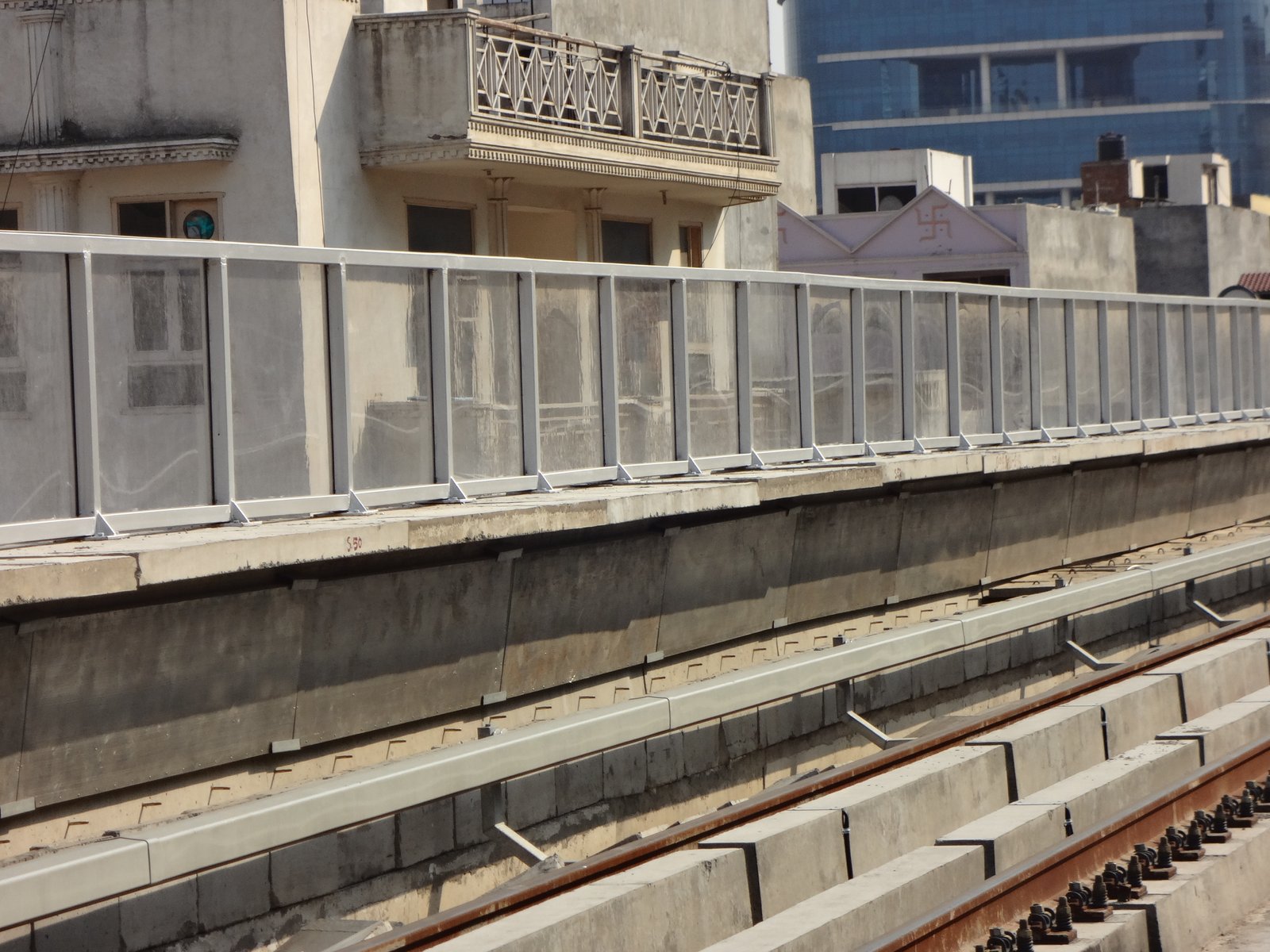
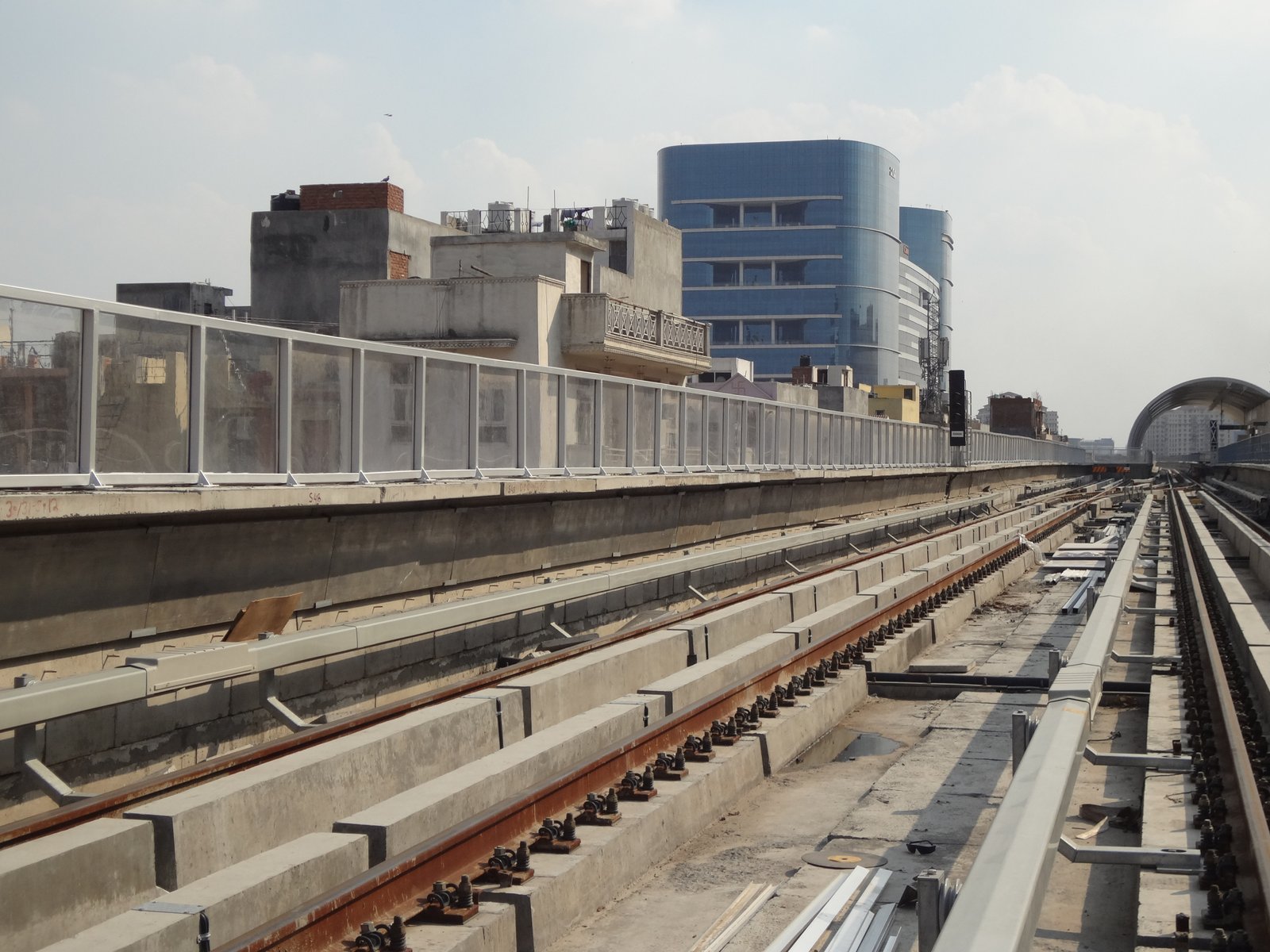
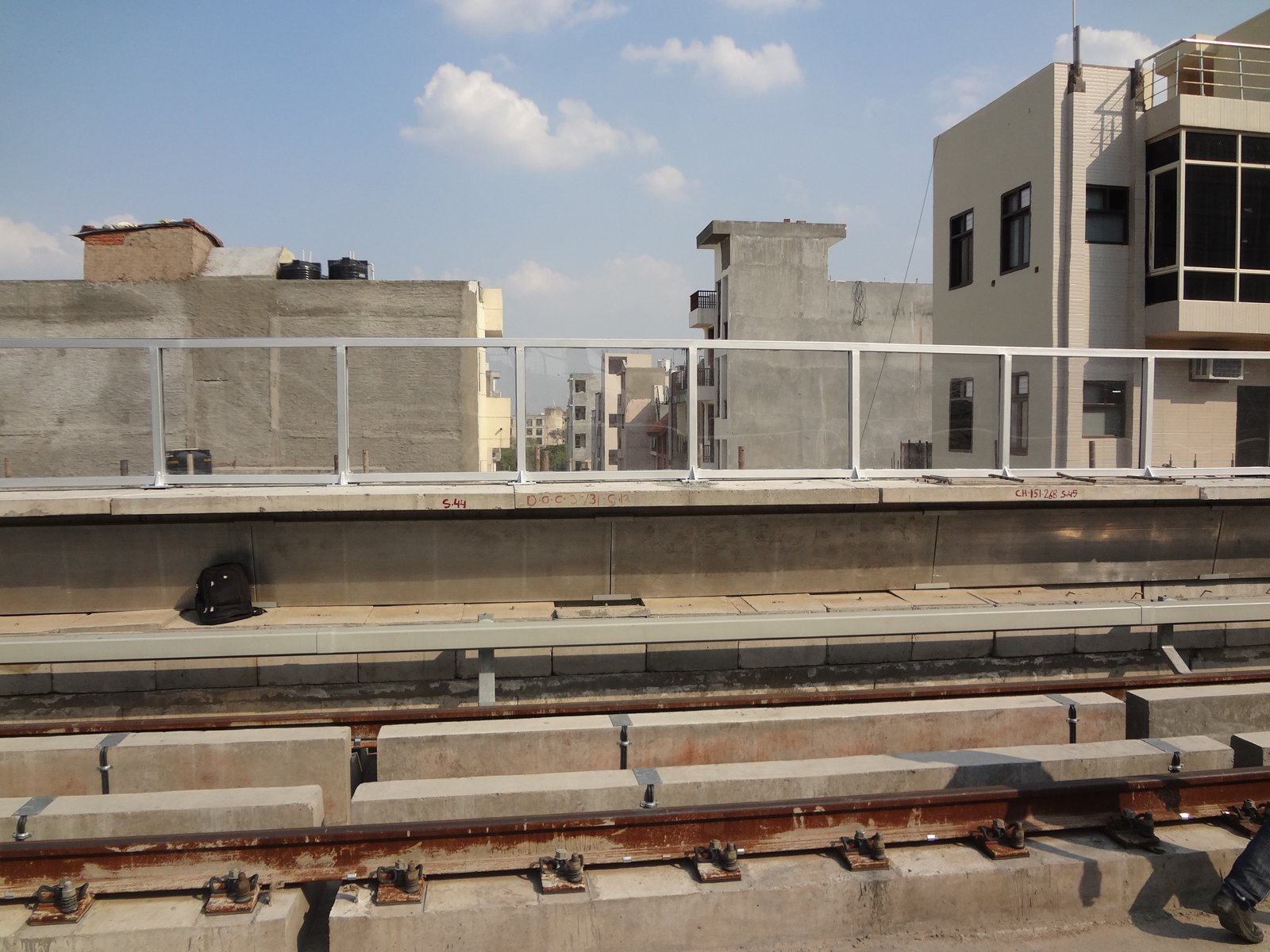
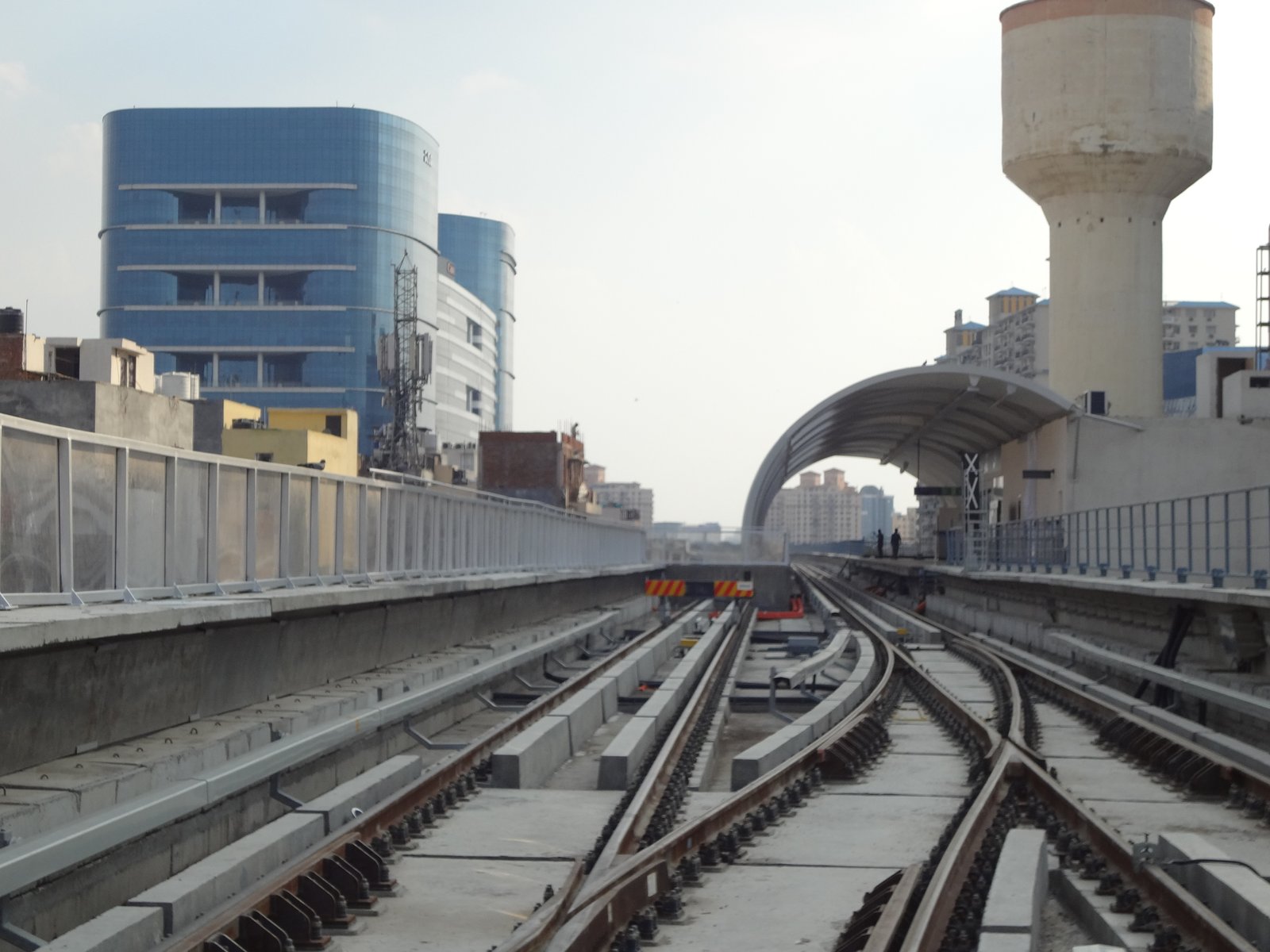
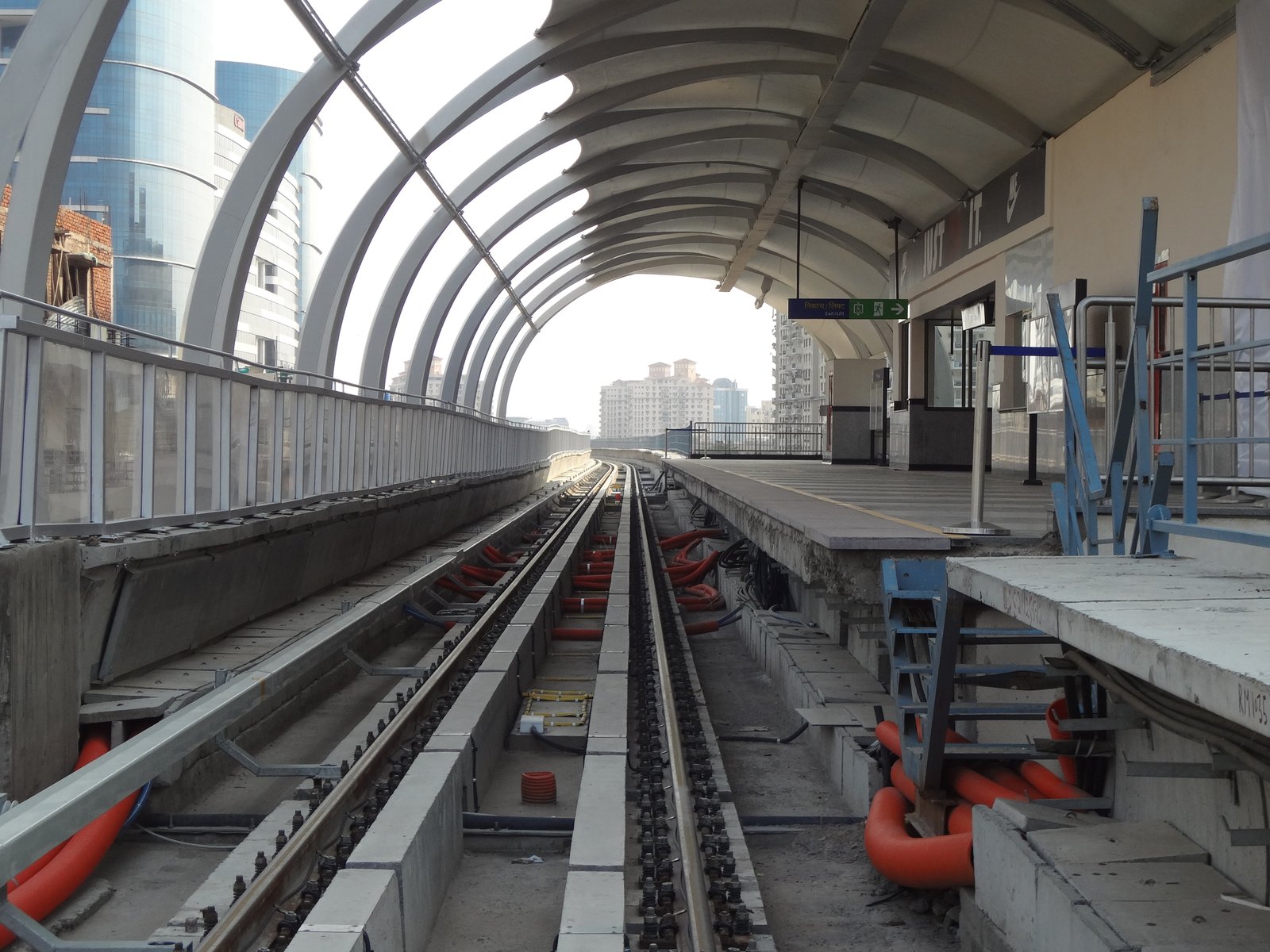
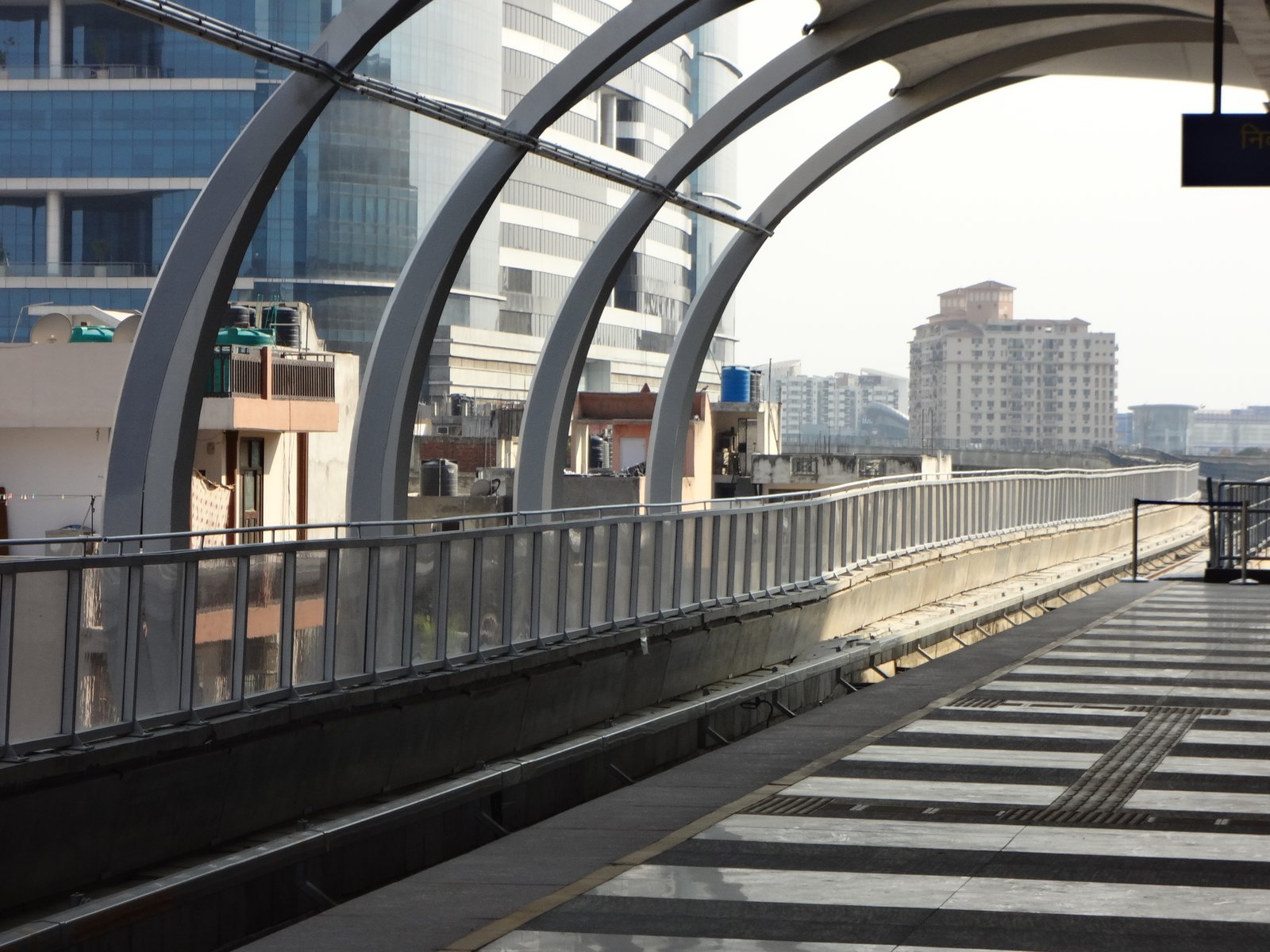
Railway Noise Barrier is a specially designed barrier that is set adjacent to railways to mitigate the transmission of sound produced by the movement of trains, braking systems/wheel-rail, and aerodynamic forces. Such obstacles are used as physical barriers that absorb, reflect, or deflect sound waves before they reach the neighboring premises. Such barriers are made with materials such as galvanized steel, aluminum panels, mineral wool fill material, polycarbonate sheets, or concrete composite material, and are designed with acoustic science. The design height, thickness, and location are determined by the speed of the train, the layout of the track, and the land use of the area. An effective noise attenuation system should be designed in such a way that it is visible and structurally safe.
Uses of Railway Noise Barrier
Railway Noise Barrier is a popular product that is applied in various settings where the noise of railways may impact human activity and facilities. Some of the benign applications are:
Residential Areas: Prevents incessant bombardment of residential houses and apartments around railway lines.
Urban Infrastructure: Cuts down sound in highly populated urban areas.
Educational Institutions: Provide fewer noisy areas in schools and colleges within track areas.
Hospitals and Health Care Facilities: Assists in creating a peaceful and conducive environment.
Commercial Zones: Enhance the working conditions in offices and business parks.
High-Speed Rail Corridors: Regulations reduce noise emissions of high-velocity trains. These restrictions are needed to ensure that they adhere to environmental noise standards and also promote the growth of railways.
Key Highlights of Railway Noise Barrier
The Railway Noise Barrier systems used in modern railways are made in order to satisfy both functional and aesthetic needs. Key highlights include:
High Noise Reduction Performance: Designed with a significant level of decibel reduction of rail noise.
Strong Construction: Not affected by weather, vibration, corrosion, or UV light.
Flexible Design: It comes in various heights, finishes, and colors that fit in the surroundings.
Low Maintenance: Minimum maintenance during long working periods.
Green Materials: Green Materials are made of components that are sustainable and recyclable.
Standards Compliance: Designed based on the national and international noise control standards. Other firms, such as Envirotech Systems Limited, specialize in the provision of engineered performance, safety, and long-term durability solutions.
Advantages of Railway Noise Barrier
Good Noise Control: Noise Pollution. The major benefit is an extremely high decrease in the noise produced by rail, which enhances the quality of life of the locals and the employees.
Enhanced Public Health Reduced noise levels reduce stress levels, sleeping problems, and long-term health problems caused by the constant exposure to sound.
Urban Development Supporters. Control of noise along the railway lines also enables the planning and development of the land surrounding the rail infrastructure.
Improved Safety and Comfort Besides reducing sound, barriers serve as visual screens, which enhance safety and comfort among pedestrians and other occupants within the surroundings.
Long-Term Cost Efficiency These systems are cost-effective over decades with strong materials and little required maintenance.
Aesthetic Integration The current designs merge both with the urban and natural scenery, and do not lose their aesthetic value and functionality.
Conclusion
Railway infrastructure is critical to the present-day transport system, and its environmental impact is also to be handled. A Railway Noise Barrier is a good and long-term solution to rail sound pollution control and facilitates the development of infrastructure. These systems are also important in the design of the present-day rail projects by minimizing noise transmission, improving the comfort of people, and maintaining regulations. Noise barrier solutions can help make communities healthier by creating more durable materials, advanced engineering, and customizable designs. Such organizations, such as Envirotech Systems Limited, are still sustaining this equilibrium by providing excellent and performance-oriented noise control systems to the railway.
Our Clients
Client That We Have Worked With